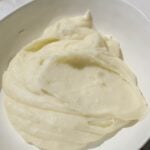
Creamy Mashed Potatoes (Restaurant Style!)
These creamy mashed potatoes are rich, buttery, smooth, and restaurant-quality with just a few simple ingredients. Russet potatoes give them a fluffy texture, while heavy cream and butter make them silky and luxurious.
Servings: 3
Equipment
- 1 sieve
Ingredients
- 600 grams russet potatoes
- 1 stick unsalted butter
- 1/4 cup heavy cream
- salt to taste
Instructions
- Boil the potatoes: Peel and cut the russet potatoes into evenly sized chunks. Add them to a pot of cold salted water, then bring to a boil over medium-high heat. Cook until the potatoes are fork-tender and slide off the fork easily.
- Drain and steam dry: Drain the potatoes well, then let them sit for 1–2 minutes so the excess moisture can evaporate. This keeps the mashed potatoes rich and fluffy instead of watery.
- Pass through a sieve: Press the hot potatoes through a fine mesh sieve into a clean pot or bowl. This step takes a little effort, but it gives the potatoes a super smooth, restaurant-quality texture.
- Add the first half of the butter and cream: Place the sieved potatoes over very low heat. Add half of the butter and half of the heavy cream, then gently mix until the potatoes absorb the butter and cream.
- Add the remaining butter and cream: Add the rest of the butter and cream, then gently mix again until the potatoes are smooth, creamy, and silky. Keep the heat very low so the potatoes stay warm without drying out.
- Season and serve: Taste and adjust with more salt as needed. Serve warm while the mashed potatoes are soft, buttery, and creamy.
Notes
Do Not Add Cold Cream or Butter: Cold dairy does not blend as smoothly into hot potatoes. It can cool everything down too quickly and make the texture feel heavier. For smoother, creamier mashed potatoes, warm the cream and let the butter melt gently into the potatoes over very low heat.
Avoid Waterlogged Potatoes: If the potatoes hold onto too much water after boiling, the final mash can taste thin instead of rich. After draining, let the potatoes steam off for a minute before passing them through a sieve. This helps the butter and cream absorb better.
Do Not Use a Blender or Food Processor: A blender or food processor will overwork the potatoes fast. That releases too much starch and can turn them sticky, gummy, or paste-like. A sieve, potato ricer, or gentle hand-mashing method works much better for a smooth, restaurant-style texture.
Season in Layers: Salt the water before boiling the potatoes, then taste and adjust again at the end. Potatoes need more salt than you think, and seasoning in layers makes the final dish taste buttery, balanced, and flavorful instead of flat.
Add the butter and cream in stages: Adding half first, then the rest, helps the potatoes absorb everything evenly.
Storage
Refrigerator: Store leftover mashed potatoes in an airtight container in the fridge for up to 3 days. Reheating: Reheat gently over low heat with a splash of cream to loosen the texture. Stir gently so the potatoes stay smooth and creamy. Freezing: I do not recommend freezing these if you want the best texture. Mashed potatoes can become grainy or watery after thawing.Nutrition
Calories: 496kcal | Carbohydrates: 37g | Protein: 5g | Fat: 38g | Saturated Fat: 24g | Polyunsaturated Fat: 2g | Monounsaturated Fat: 10g | Trans Fat: 1g | Cholesterol: 103mg | Sodium: 20mg | Potassium: 862mg | Fiber: 3g | Sugar: 2g | Vitamin A: 1235IU | Vitamin C: 12mg | Calcium: 48mg | Iron: 2mg
